This section doesn’t currently include any content. Add content to this section using the sidebar.

Image caption appears here

Add your deal, information or promotional text

Puppy wearing Teddy Maximus harness with bow tie

Lead and Harness/Collar Training for Puppies

Teaching your puppy to walk calmly wearing a collar or harness on a lead is one of the most important early training milestones.

At Teddy Maximus Puppy Hub, we know that successful lead training for puppies builds confidence, improves safety and sets the foundation for enjoyable daily walks.

Why Collar/Harness and Lead Training Is So Important

Proper puppy lead training helps:

  • Prevent pulling and lunging
  • Keep your puppy safe near roads
  • Build focus and obedience
  • Strengthen your bond
  • Create stress-free walks

Starting early makes training easier.
Collar vs Harness: Which Is Best for Your Puppy?

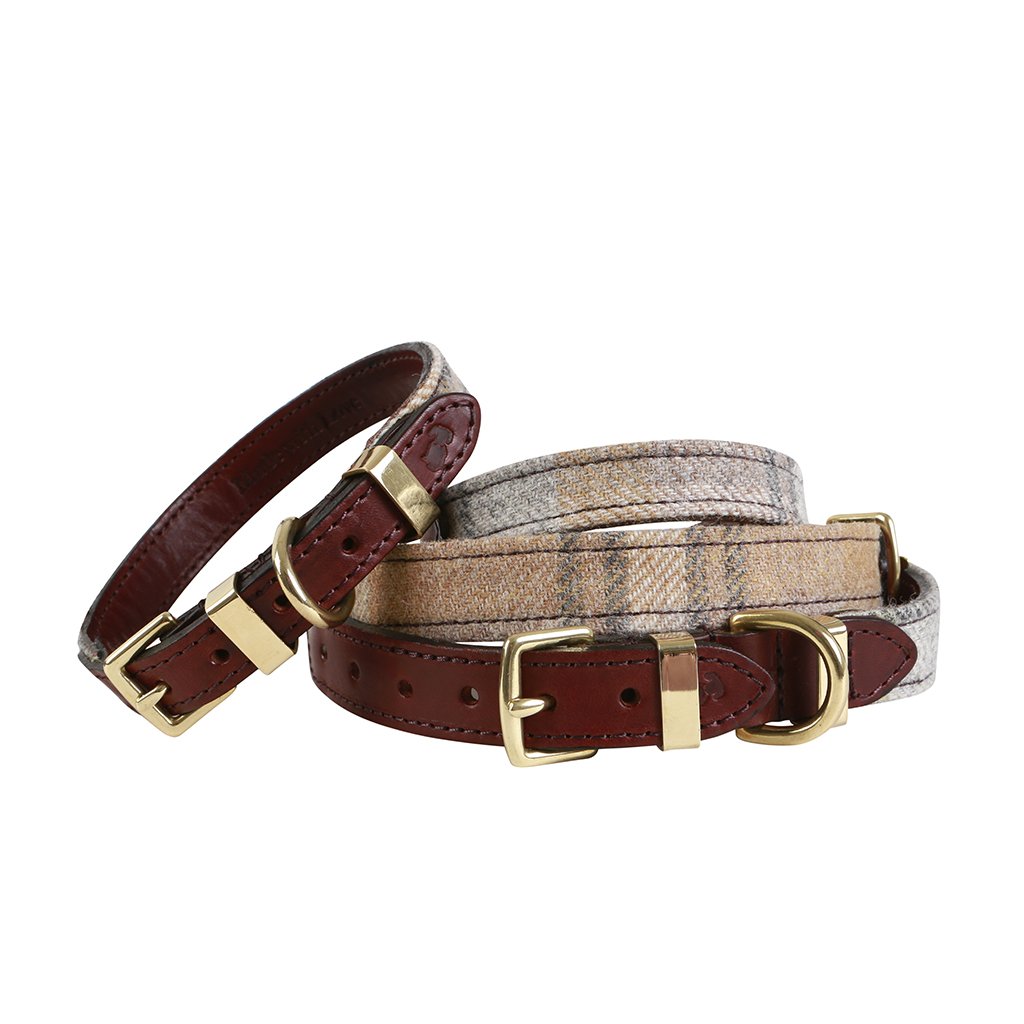
A collar is lightweight and ideal for:

  • Holding ID tags
  • Short training sessions
  • Puppies who naturally walk calmly

Choose a soft, adjustable collar that fits snugly but allows two fingers underneath.

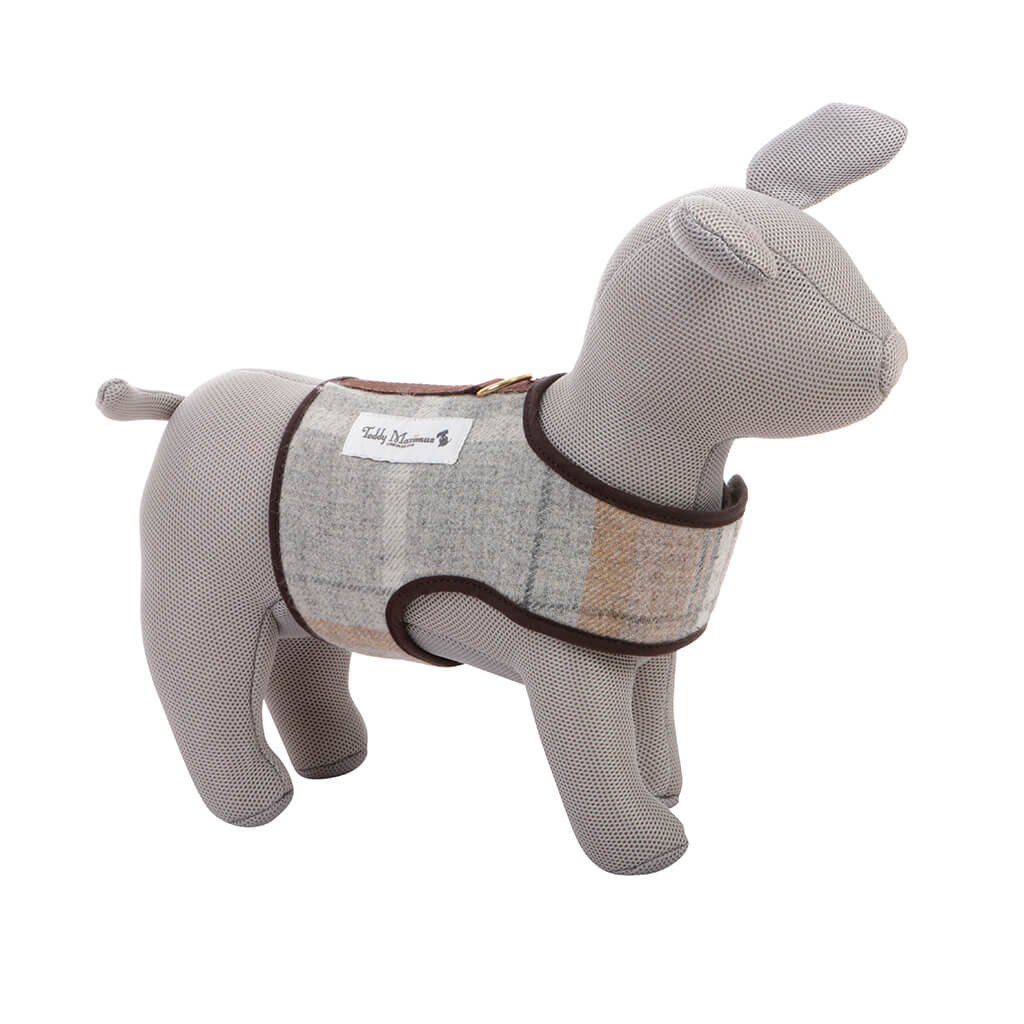
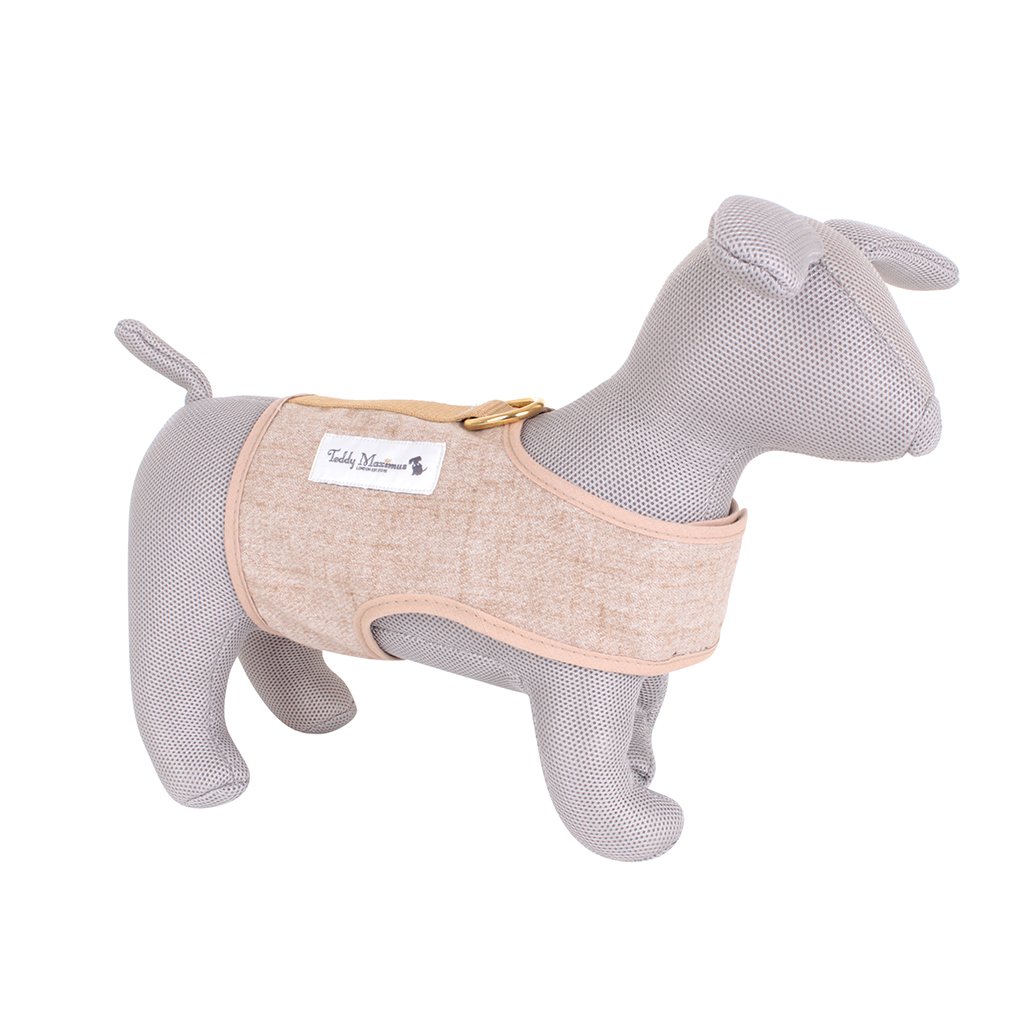
A harness distributes pressure across the chest rather than the neck. It’s often recommended for:

  • Small breeds
  • Puppies prone to pulling
  • Delicate neck structures
  • Breeds like the Dachshund
Small dog standing on a light-coloured floor with a blurred background wearing a Teddy Maximus collar.

Step-by-Step Guide: How to Lead Train a Puppy

Step 1: Introduce the Collar or Harness Indoors

Let your puppy:

  • Sniff the equipment
  • Wear it for short periods inside
  • Associate it with treats and praise
  • The noise of a collar or harness being done up may make them nervous, so offer plenty of treats and build up the steps slowly e.g. put the harness over their neck first and work on this until they are happy, offering plenty of treats and praise. Then work on putting it over the neck and around the tummy.

Keep sessions short and positive.

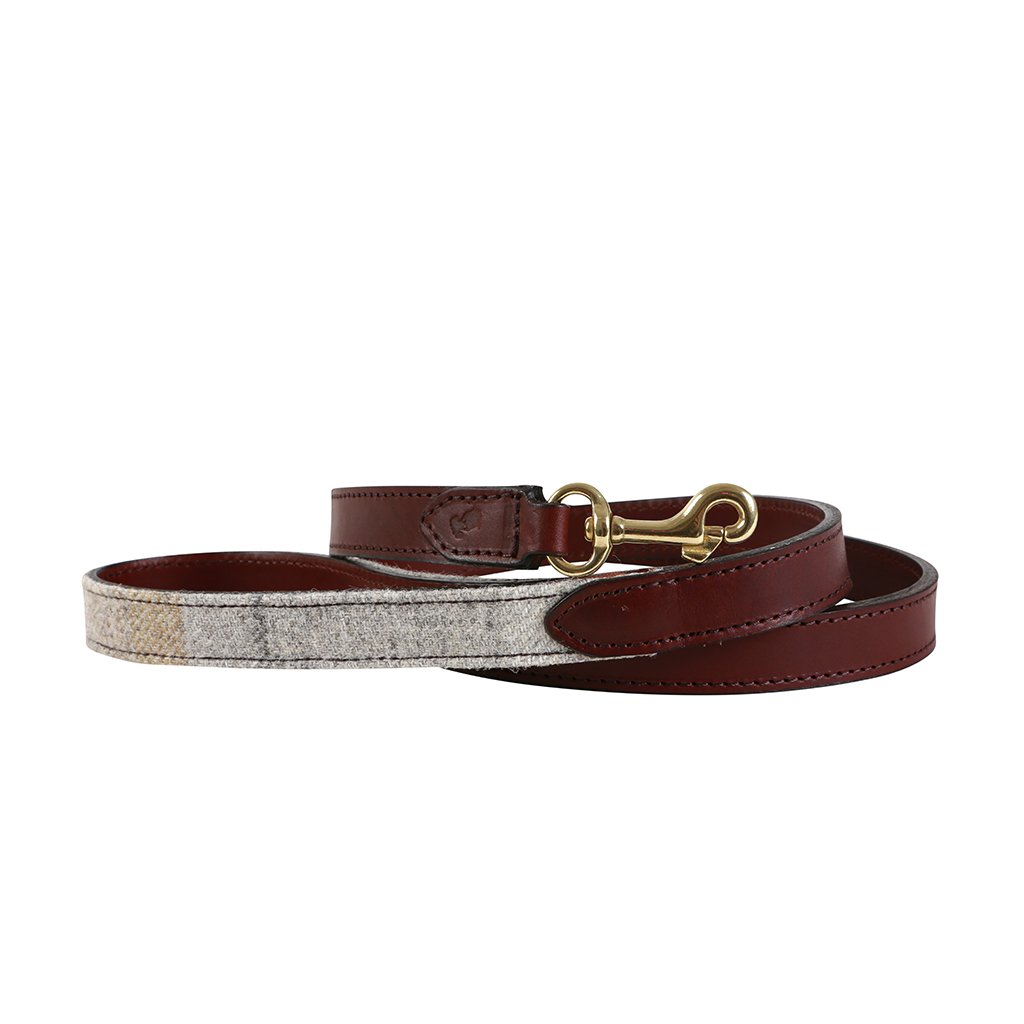
The Explorer NEW! Luxury Rope Dog Lead

Step 2: Attach the Lead (Without Walking)

Dogs may react differently - some may try and chew the lead, others may try and pull it, whilst others may refuse to move!

- First, clip the lead on and let your puppy trail it gently indoors under supervision. This helps them get used to the sensation without pressure. You could drop some treats or toys around the floor and let them find them with the lead attached.

Keep it fun and pawsitive!

The Explorer NEW! Non Pull Multi-Point Dog Harness

Step 3: Start Indoor Walking Practice

Next you need to get your puppy used to feeling gentle pressure on the lead.

  • Hold the lead and take a few steps with your puppy
  • Encourage your puppy to follow
  • Reward them when they walk beside you
  • Gradually build this up, moving from room to room

Use a happy voice and some treats. Choose your practise time wisely - when they aren't too tired and when they will be incentivised by treats!
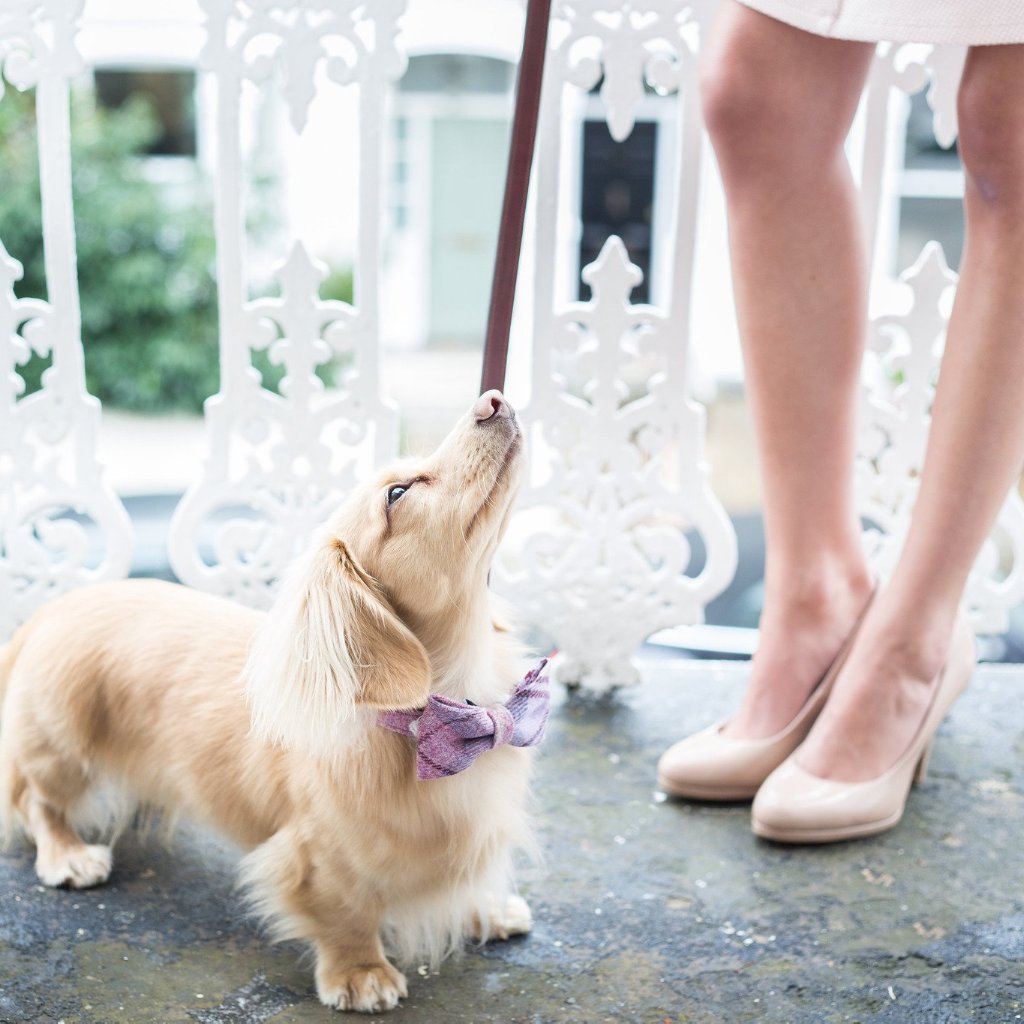
'The Cromwell' Pink Shetland Wool Dog Lead

Step 4: Practice in a Low-Distraction Outdoor Area

Once your pup is confident indoors with their lead you can:

  • Move to your garden or a quiet area outdoors (if they have been fully vaccinated)
  • Keep sessions short (5–10 minutes)
  • Reward loose lead walking

Consistency is key, plenty of praise and treats of course!

'The Hattie' Rolled Leather Dog Lead (sold out)

How to Stop a Puppy Pulling on the Lead

Pulling is normal at first. Avoid yanking the lead or shouting — this can create fear or resistance. To correct it:

✔ Stop Walking Immediately

The moment the lead tightens, stand still.

✔ Wait for Slack

When your puppy returns to you or loosens the lead, praise and continue walking.

✔ Reward Position

Reward when your puppy walks beside you calmly.

Teddy Maximus is awarded a Finalist position in the Nectar Small Business Awards

Search