Bringing home a new puppy is one of life’s sweetest milestones. Those early days can also set the foundation for how your dog will cope when you’re not around.
Without gentle preparation many puppies can develop separation anxiety - a response to being left alone that can lead to barking, destructive chewing, toileting accidents or panic behaviours.
The good news? Separation anxiety is easier to help prevent than to fix later. With a few simple habits from day one you can help your puppy grow into a relaxed, independent companion.
Separation anxiety occurs when a puppy becomes overly dependent on their owner’s presence and feels unsafe or distressed when left alone. It’s not 'naughtiness', it’s fear.
Early signs to watch for:
Prevention focuses on teaching your puppy that being alone is safe, temporary and normal.


Many owners understandably want to comfort a new puppy constantly. But 24/7 togetherness can accidentally create dependence.
Instead, build tiny positive separations into daily life:
Gradually increase duration over days and weeks. Your puppy learns: “They always come back.”

Puppies cope better alone when they have a predictable place to relax. This might be a crate, pen, or puppy-proofed room.
Make it comforting and rewarding:
Feed meals there sometimes so the space becomes associated with good things.

Big emotional exits can signal to your puppy that something significant is happening.
Keep it neutral:
Calm arrivals and departures teach your puppy that separations are routine.

Encourage your puppy to relax without constant contact.
Helpful habits:
You’re reinforcing: “You’re safe even when we’re not touching.”

Before real-life long absences, rehearse leaving.
Example progression:
If your puppy shows distress, shorten duration again .
Progress should be slow enough that your puppy stays calm.
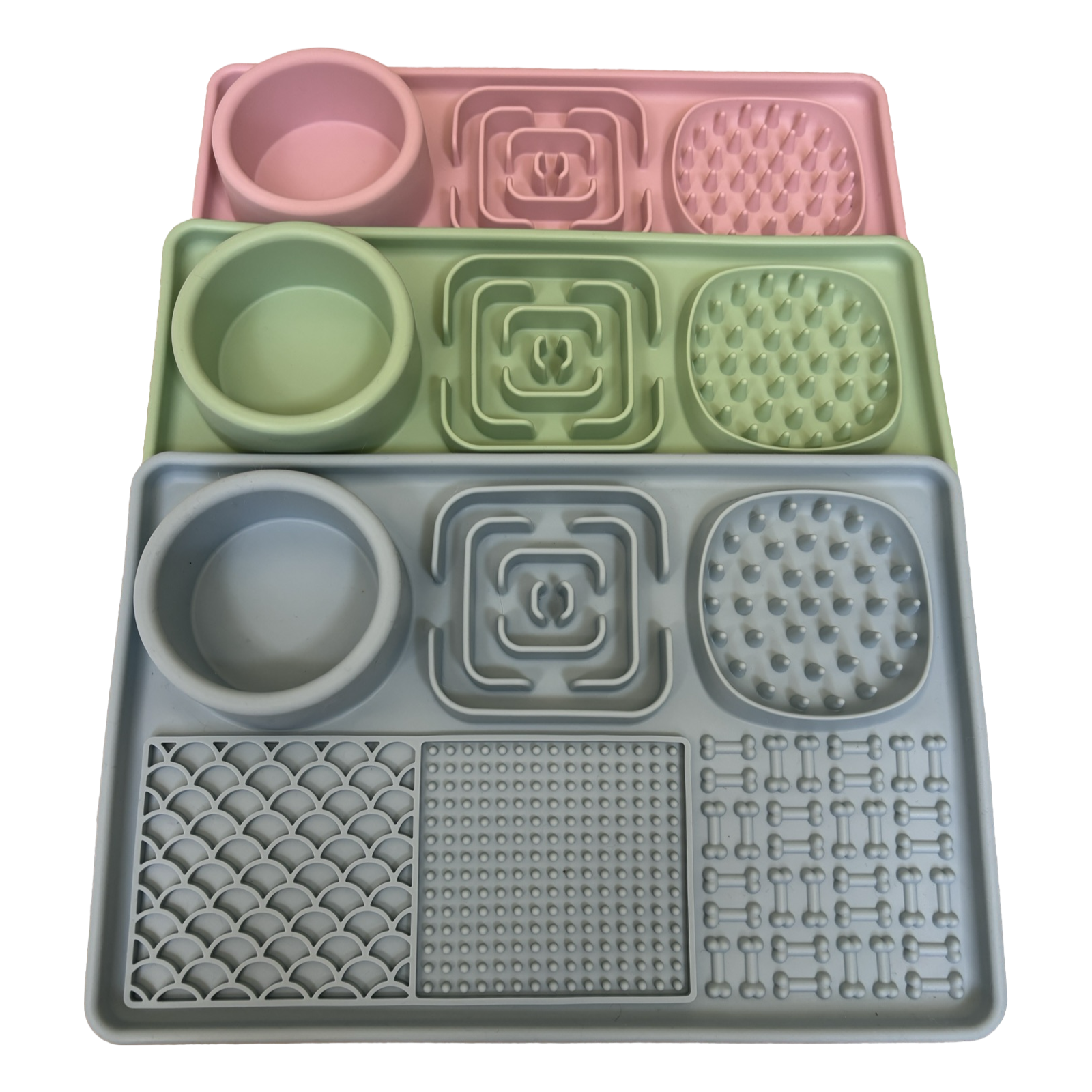
Give your puppy something enjoyable just before you leave.
Options:
This creates a positive association: “Owner leaving = good things happen.”

Dogs feel safer when life is consistent.
Helpful anchors:
Routine reduces uncertainty — a major anxiety trigger.