The period between three and six months is one of the most exciting and challenging stages of puppyhood. Your puppy is no longer a tiny newborn but not a grown dog either. This is when their personality begins to shine, confidence grows and boundaries start to be tested.
At Teddy Maximus, we see this stage as a bridge between early puppy care and long-term companionship. With the right balance of structure, patience and thoughtfully chosen essentials, these months can be deeply rewarding for both puppy and owner.


Between 12 and 24 weeks, your puppy experiences rapid physical, emotional, and cognitive development. During this time, they are:
This is a critical window for reinforcing training, confidence and calm behaviour.
💡 Why a dog carrier is especially useful at this age:
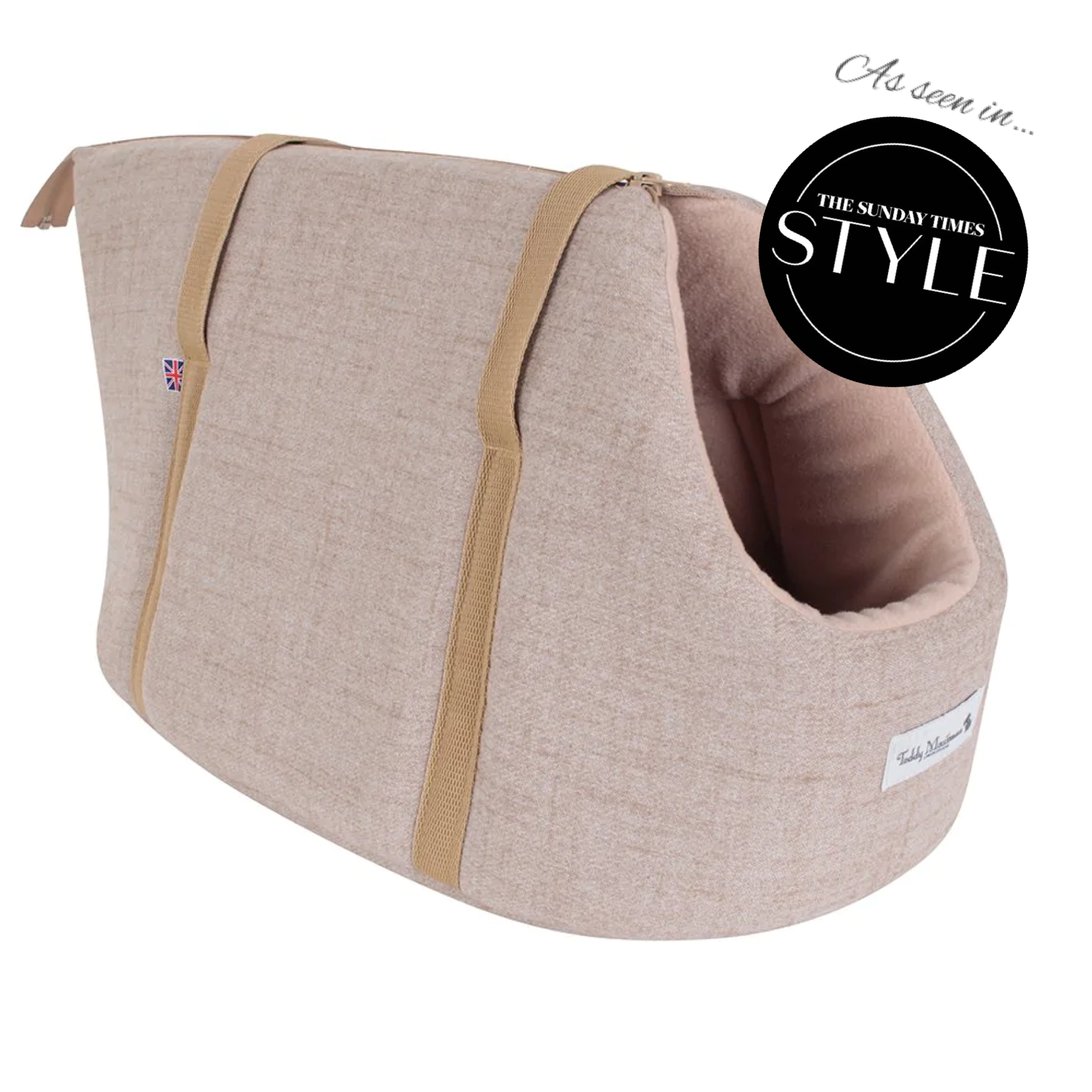
While your puppy is eager to explore they can become overwhelmed quickly. A well-designed dog carrier allows you to introduce new sights and sounds safely — whether that’s a café visit, public transport, or a busier street, without overstimulation or exhaustion.


This can be the most challenging stage for owners— but it’s completely normal.
Your puppy isn’t being naughty — they’re learning how to self-soothe and communicate.
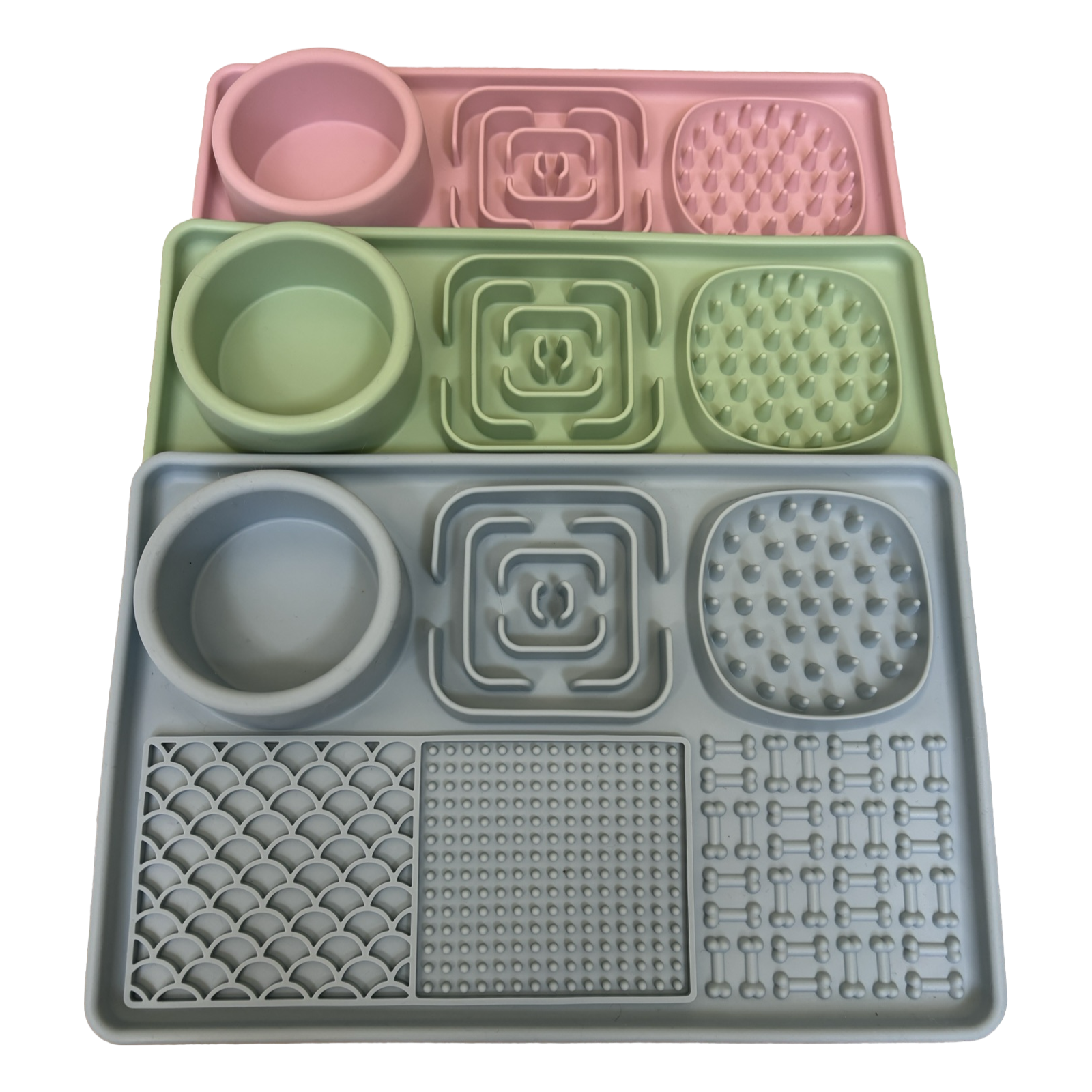
Invest in some high-quality chew toys to protect furniture and help ease sore gums. putting toys in the freezer for a cooling treat can really help too.

By now, your puppy may look bigger — but emotionally, they are still very young.
Consistency is essential during this stage. Clear routines, calm responses and positive reinforcement help your puppy feel secure as they navigate this transition.
All of these are normal and temporary, with patience and consistency.